
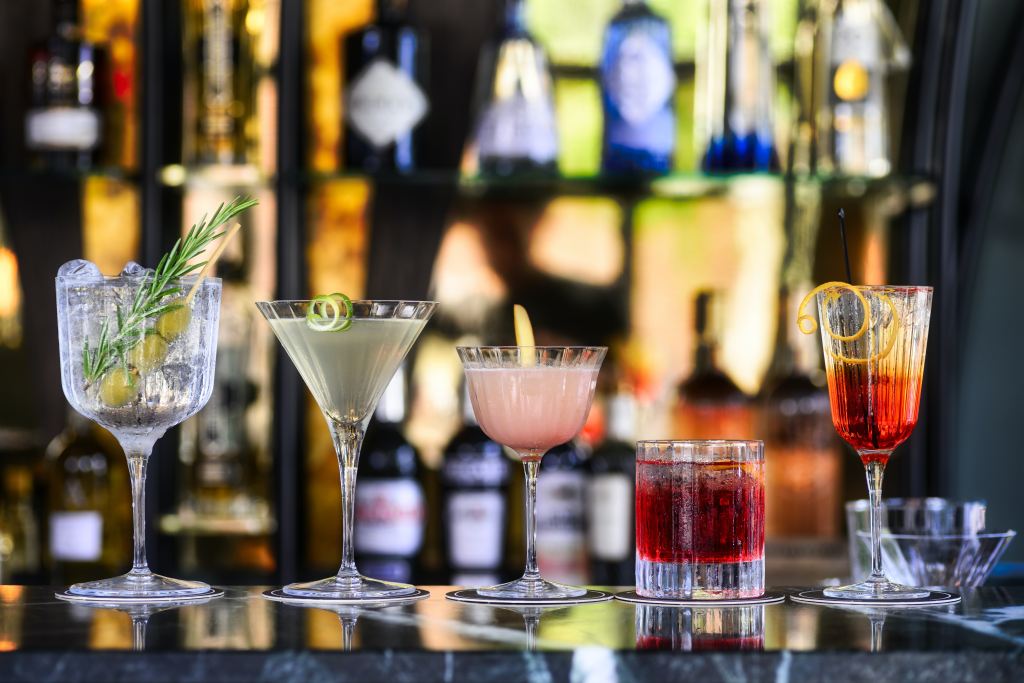
Originating in the early 19th century, these mixed drinks have evolved from simple combinations of spirits, sugar, water, and bitters to an art form celebrated around the globe. Join us as we trace the roots of these beloved libations, uncovering the tales of innovation, creativity, and social rituals that have shaped cocktail culture into what it is today.
The Birth of the Cocktail:
The word “cocktail” first appeared in print in the early 19th century, but its exact origin remains a subject of debate. One popular theory suggests that the term derives from the practice of placing a rooster’s feather in a mixed drink as a garnish, known as a “cocktail.” Others believe it emerged from the French word “coquetier,” meaning an egg cup, which was used to serve early morning drinks.
Early Days and Influences:
The roots of cocktails can be traced back to various cultural influences. One notable influence is the British Navy, which introduced the concept of mixing spirits with water or citrus juice to make them more palatable and to combat scurvy among sailors. The navy’s daily ration of rum, lime, and sugar laid the groundwork for the iconic Daiquiri, Mojito, and other rum-based cocktails.
Another crucial influence came from the American colonies, where early settlers brought with them their love for punch—large-format mixed drinks often made with rum, citrus, sugar, and spices. Punches became a social centrepiece at gatherings, and their popularity fueled the creativity of bartenders who began experimenting with different flavours and ingredients.
The Golden Age of Cocktails:
The 19th century witnessed the birth of the modern cocktail as we know it. In the mid-1800s, the introduction of ice, the refinement of distillation techniques, and the availability of a wide range of new spirits opened doors to countless possibilities. Bartenders and mixologists across Europe and the United States embraced this era of innovation.
Jerry Thomas, widely regarded as the father of American mixology, published the first bartender’s guide, “How to Mix Drinks or The Bon Vivant’s Companion,” in 1862. Thomas’s book showcased an extensive collection of cocktail recipes, introducing classics such as the Martini, Manhattan, and Tom Collins. His showmanship behind the bar elevated the art of cocktail-making to a new level of entertainment.
During the early days of cocktails, various alcohols were used as the base for these mixed drinks. Here are some of the earliest alcohols commonly employed in cocktail recipes:
- Rum: Rum holds a prominent place in cocktail history, particularly due to its association with the British Navy. Sailors would mix rum with water or citrus juice to create early versions of cocktails like the Daiquiri and the Mojito.
- Whiskey: Whiskey, both Scotch and American bourbon, was another popular choice for early cocktails. Classic drinks like the Old Fashioned and the Whiskey Sour showcase the versatility of this spirit.
- Brandy: Brandy, a spirit distilled from wine, played a significant role in the development of cocktails. It was often used in punches and early cocktail recipes, such as the Brandy Crusta.
- Gin: Gin, with its distinct botanical flavours, gained popularity in the 19th century and became a favourite base spirit for classic cocktails. The Martini, Tom Collins, and Negroni are just a few examples of gin-based classics that have stood the test of time.
- Liqueurs: Various liqueurs, such as curaçao, maraschino, and absinthe, were commonly used to add flavour and complexity to cocktails. These liqueurs played a crucial role in defining the character of many classic drinks, including the Sidecar and the Sazerac.
Some of the most popular early types of cocktails that emerged during the cocktail’s golden age included:
- Punch: Punches were among the earliest forms of mixed drinks and often served as the inspiration for cocktails. They typically combined spirits, citrus juice, sugar, and spices. Punches were popular for social gatherings and influenced the development of individualized cocktails.
- Sours: Sour-style cocktails, such as the Whiskey Sour and the Daiquiri, were prevalent during the early cocktail era. They typically consisted of a base spirit, citrus juice (usually lemon), and sweetener, such as sugar or syrup.
- Juleps: Juleps, traditionally made with bourbon or brandy, mint, sugar, and crushed ice, were refreshing and popular in the southern United States. The Mint Julep remains an iconic classic to this day.
- Cobblers: Cobblers were fruity and refreshing cocktails made with spirits, sugar, and fruit, typically served over crushed ice. They were popular in the mid-19th century and influenced the development of other cocktail styles.
- Fizzes and Collins: Fizzes and Collins cocktails gained popularity during the late 19th century. Fizzes incorporated carbonated water, adding effervescence to the mixture, while Collins drinks combined spirits, citrus juice, sugar, and carbonated water.
- Martinis and Manhattans: Martinis and Manhattans emerged in the late 19th century and became iconic cocktail choices. The Martini, made with gin (or vodka) and vermouth, is known for its elegance, while the Manhattan, typically crafted with whiskey, sweet vermouth, and bitters, exudes sophistication.
These early cocktails laid the foundation for the diverse range of mixed drinks we enjoy today. By blending various spirits, mixers, and flavours, bartenders of the past shaped the cocktail landscape, setting the stage for centuries of innovation and creativity.
Prohibition and the Cocktail’s Resurgence:
The dark period of Prohibition, which lasted from 1920 to 1933 in the United States, drove the cocktail culture underground. Speakeasies and hidden bars emerged, becoming the clandestine gathering spots for those seeking libations during the era of alcohol ban. Mixologists found innovative ways to mask the often inferior quality of bootlegged spirits, leading to the birth of cocktails like the Sidecar and the French 75.
The post-Prohibition era marked a significant shift in cocktail culture. The 1930s and 1940s introduced the concept of the cocktail party, where stylish men and women gathered to socialize and enjoy mixed drinks. Classic cocktails such as the Old Fashioned, Negroni, and Margarita gained popularity during this time, and bartenders became revered craftsmen.
Contemporary Innovations and Craft Cocktails:
In recent years, the cocktail scene has experienced a renaissance. The rise of craft cocktails and mixology has brought about a renewed appreciation for fresh, high-quality ingredients and innovative techniques. Bartenders are now considered artists, using homemade bitters, infusions, and garnishes to create unique and memorable drinking experiences.
Moreover, cocktail bars have become temples of creativity, with menus showcasing both classic concoctions and boundary-pushing libations. From molecular mixology to locally sourced ingredients, today’s cocktail enthusiasts can savour a vast array of flavours and styles.
The future of cocktails is an exciting realm where innovation and creativity intertwine with tradition. As the craft of mixology continues to evolve, we can expect to see a variety of fascinating developments and trends that shape the cocktail landscape. Here are a few glimpses into what the future holds for cocktails:
- Sustainable Ingredients and Practices: With an increasing focus on sustainability and environmental consciousness, the future of cocktails will embrace eco-friendly ingredients and practices. Expect to see bartenders using locally sourced, organic, and seasonal ingredients, reducing waste through creative reuse, and implementing sustainable bar practices such as composting and energy-efficient methods.
- Experimental Flavors and Techniques: As mixologists push the boundaries of taste, the future of cocktails will see a surge in experimental flavors and techniques. This may include the use of unique and exotic ingredients, the incorporation of molecular mixology techniques to create unexpected textures and presentations, and the fusion of global culinary influences to craft truly innovative and multi-dimensional drinks.
- Personalization and Customization: Just as the craft coffee industry has embraced customization, the future of cocktails will offer personalized and tailored experiences. Bartenders will create bespoke cocktails based on individual preferences, allowing guests to customize their drink’s spirit, sweetness, acidity, and garnishes. This trend may also extend to home bartending, with technology facilitating personalized cocktail recipes and recommendations based on personal tastes.
- Technology Integration: Technology will continue to play a significant role in the future of cocktails. Apps and digital platforms will provide access to cocktail recipes, virtual mixology classes, and even interactive experiences where users can explore and experiment with flavors and techniques. Additionally, advancements in cocktail-making equipment and automation may streamline the process, allowing for precision and consistency in drink preparation.
- Cultural Fusion and Global Influences: With the world becoming increasingly interconnected, the future of cocktails will embrace cultural fusion and global influences. Expect to see a blending of traditional cocktail styles with flavors and ingredients from various cultures, creating exciting and unique combinations that reflect our diverse global palate.
- Health and Wellness Focus: As people become more health-conscious, the future of cocktails will incorporate a greater emphasis on health and wellness. This may include the rise of low-alcohol or alcohol-free options, the integration of beneficial ingredients like superfoods and herbs, and the exploration of functional cocktails that offer additional health benefits beyond just enjoyment.
- Ready To Pour Cocktails: With the growing demand for convenience and quality, talented mixologists will continue to develop innovative and high-quality bottled cocktail creations. These pre-made cocktails will offer a taste of expert mixology without the need for extensive equipment or preparation. Expect to see a wider variety of pre-made options, including classic cocktails, unique blends, and even customizable bottled creations tailored to individual preferences. The convenience of pre-made cocktails will become even more refined, allowing cocktail enthusiasts to enjoy a premium drinking experience with just a simple pour. As technology and packaging techniques improve, pre-made cocktails will continue to evolve, providing a convenient and accessible way to enjoy the artistry of mixology in the comfort of one’s own home or at social gatherings.
From its humble beginnings to its current status as an art form, the history of cocktails is a captivating tale of inventiveness and social evolution. Cocktails have transcended time and borders, enchanting palates and captivating imaginations. So, the next time you raise a glass to sip a perfectly balanced cocktail, remember the rich history that swirls within it—an enduring testament to the human quest for pleasure and conviviality. Cheers to the exciting journey that lies ahead!
 TheCru.ie