
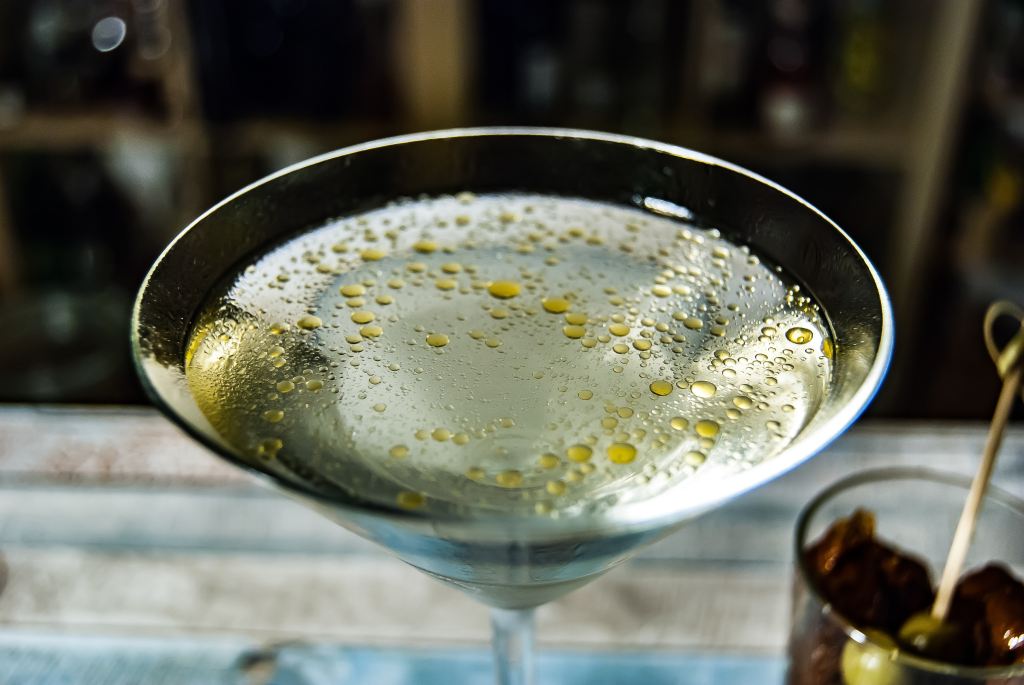
Salve, vermouth enthusiasts! Today, we’re journeying to Italy and France, the wellspring of the world’s vermouth. From its medicinal roots to its delightful styles, from its cinematic cameos to the future trends, and most importantly, its creation process – vermouth is a libation that narrates a story as diverse and complex as its botanical blend.
Vermouth – A Herbal Heritage: A Brief History of Vermouth
Vermouth, a fortified and aromatised wine, traces its origins back to ancient times when wine was often infused with botanicals for medicinal purposes. The name “vermouth” derives from the German word “Wermut” meaning wormwood, a key ingredient in its production. Gaining popularity in the 18th century in Turin, Italy, and subsequently in France, vermouth became a beloved aperitif and a staple in classic cocktails.
The Art of Making Vermouth
Creating vermouth is an art. It begins with a base of white wine, to which a proprietary mix of botanicals, including flowers, bark, spices, and herbs, is added. Each brand maintains a closely guarded secret recipe. The mix is then fortified with additional alcohol, typically grape brandy. The end result is a wine with increased complexity, a higher alcohol content, and a longer shelf life.
Styles of Vermouth
Vermouth boasts a variety of styles, each with its own flavour profile:
- Sweet Vermouth (Rosso): Originating in Italy, it’s rich, sweet, and spicy with a red-brown hue.
- Dry Vermouth: Often French, it’s pale, crisp, and bitter, perfect in a Martini.
- Blanc or Bianco: A sweet style, usually pale or golden, with a floral, vanilla-forward profile.
Future Trends for Vermouth
As the craft cocktail movement burgeons, so does the interest in vermouth. Artisanal and small-batch vermouths are gaining recognition, offering a plethora of unique botanical blends. Additionally, ‘vermouth on tap’ has become a popular offering in trendy bars and bistros.
Vermouth’s Silver Screen Sips
Vermouth, a vital ingredient in many a cocktail, has had its fair share of Hollywood highlights:
- Casablanca (1942): A French 75, containing dry vermouth, is ordered at Rick’s Café.
- The Big Sleep (1946): Philip Marlowe opts for a Martini, featuring dry vermouth.
- Every James Bond movie: The iconic ‘shaken, not stirred’ Martini always contains vermouth.
- The Apartment (1960): Characters sip on Martinis and Manhattans, both vermouth-laced cocktails.
Whether you’re enjoying it neat as an aperitif, mixed into a Negroni or Martini, or trying a newer, artisanal variant, vermouth offers an intricate array of flavours that’s bound to tantalise the taste buds. Here’s to this botanical beauty – Cin cin!
 TheCru.ie