
The vast tapestry of European beers is as diverse as the continent’s rich history and culture. Among the myriad of beer styles that have emerged from this region, sour beers hold a special place. These beers, with their tart and often complex flavour profiles, represent a wilder, untamed side of brewing. Let’s embark on a journey through Europe, exploring the fascinating world of sour beers.
The Allure of Sour
Sour beers challenge the traditional palate accustomed to the malty sweetness of ales or the crisp finish of lagers. They introduce a tangy, often sharp, acidity that can be both refreshing and complex. But what gives these beers their distinctive sourness? The answer lies in the unique fermentation process, where wild yeasts and bacteria play a starring role. Unlike conventional beers that use cultivated strains of brewer’s yeast, sour beers embrace the unpredictable nature of wild yeast strains and lactic acid bacteria to impart their characteristic tartness.
Belgium: The Heartland of Sour Beers
When discussing European sour beers, Belgium undoubtedly takes centre stage. This small country boasts a rich brewing heritage, with sour beers being a significant part of its beer tapestry.
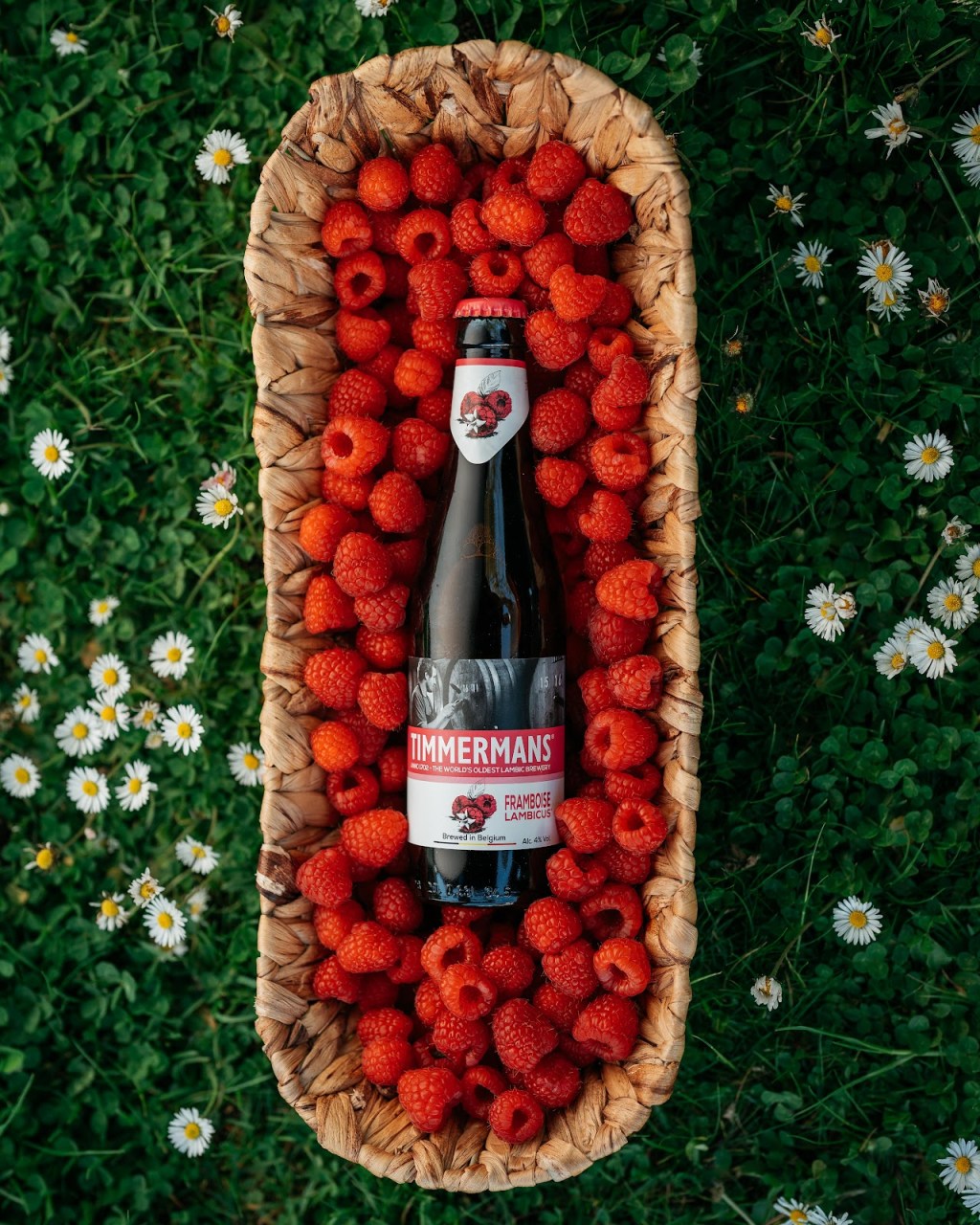
- Lambics: Originating from the Senne valley near Brussels, Lambics are perhaps the most iconic of all sour beers. Brewed using a process called spontaneous fermentation, Lambics are exposed to the open air, allowing wild yeasts and bacteria to naturally inoculate the brew. The result is a beer that’s deeply complex, with layers of sourness, funk, and often fruity notes. Lambics can be aged and blended to produce different variants like Gueuze (a blend of young and old Lambics) or fruit Lambics such as Kriek (cherries) and Framboise (raspberries).
- Flanders Red and Oud Bruin: Hailing from the Flanders region, these sour ales are aged in oak barrels, which gives them a distinctive vinous character. Flanders Red, often referred to as the “Burgundy of Belgium”, has a deep red hue and a sharp tartness balanced by fruity and oaky notes. Oud Bruin, on the other hand, is darker and maltier with a more subdued sourness.
Germany: A Tradition of Tartness
While Belgium might be the heartland of sour beers, Germany has its own tart traditions, most notably in the form of Berliner Weisse and Gose.
- Berliner Weisse: This pale, cloudy beer hails from the German capital, Berlin. It’s refreshingly tart, with a light body and a hint of wheaty sweetness. Traditionally, Berliner Weisse is often served with flavoured syrups like raspberry (Himbeersirup) or woodruff (Waldmeistersirup) to balance its sharp sourness.
- Gose: Originating from the town of Goslar, Gose is a slightly salty and sour wheat beer. The unique addition of coriander and salt sets it apart from other sour beers. With a lemony tartness and a hint of brine, Gose is both refreshing and intriguing.
The Wild Frontier: Modern Interpretations
While traditional sour beers have deep-rooted histories, modern brewers across Europe are pushing the boundaries, experimenting with new techniques and ingredients. From barrel ageing to adding fruits, spices, and even herbs, the world of sour beers is ever-evolving.
- Mixed Fermentation: Many contemporary brewers are blending different strains of wild yeasts and bacteria to achieve a desired sourness and complexity. This controlled chaos in fermentation results in beers that are both tart and multi-layered.
- Fruit-Forward Sours: Taking a leaf from the Belgian Lambics, brewers are adding a plethora of fruits to their sour beers. From berries to tropical fruits, these additions not only impart flavour but also add to the beer’s acidity, creating a harmonious balance.
- Barrel Ageing: Inspired by the Flanders Red and Oud Bruin, ageing sour beers in wine or spirit barrels is becoming increasingly popular. The barrels introduce additional flavours and complexities, from oaky vanilla notes to the deep richness of spirits.
Conclusion
Sour beers, with their vibrant acidity and depth of flavour, offer a journey into the wilder side of brewing. They encapsulate the essence of their region, from the spontaneous fermentation of Belgian Lambics to the saline touch of German Gose. As modern brewers across Europe continue to experiment and innovate, the world of sour beers promises exciting and tantalising prospects. For those willing to venture beyond the conventional, sour beers await, ready to tantalise the palate and challenge the senses. Embrace the wild, and raise a toast to the sour beers of Europe!
 TheCru.ie