
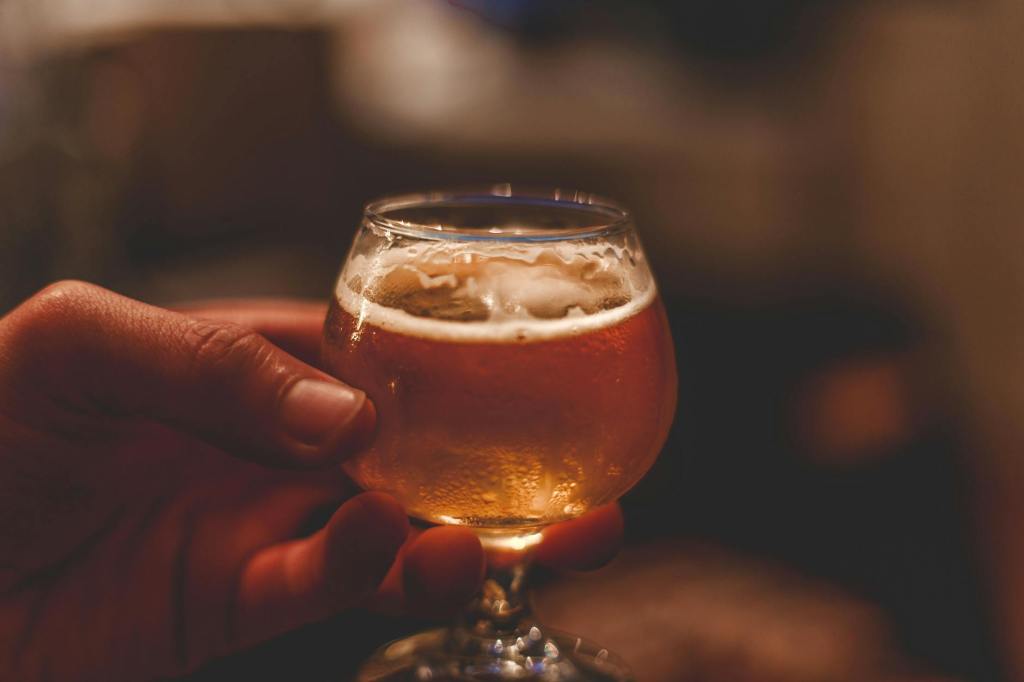
Introduction to Sour Beer Styles
Sour beers have captivated beer enthusiasts worldwide, offering a distinctive and complex flavour profile that sets them apart from other styles. Defined by their tart, acidic, and often fruity notes, sour beers have roots in ancient brewing traditions. Over the centuries, these styles have evolved, with modern brewers blending traditional techniques with innovative methods to create a diverse range of sour beers. Understanding the BJCP (Beer Judge Certification Programme) is crucial for those involved in beer competitions or brewing, as it provides a structured framework for categorising and evaluating these intricate brews.
Overview of the BJCP (Beer Judge Certification Programme)
The Beer Judge Certification Programme (BJCP) plays a significant role in the craft beer world, particularly in the classification and judging of various beer styles. Founded in 1985, the BJCP aims to promote beer literacy and the appreciation of real ale. It offers standardised guidelines that judges use to evaluate beers based on aroma, appearance, flavour, mouthfeel, and overall impression. When it comes to sour beers, the BJCP categorises them based on fermentation methods, ingredients, and regional origins, ensuring fair and accurate judging.
Key Characteristics of Sour Beers
Sour beers are defined by their distinct tartness, resulting from intentional acidification during brewing. The flavour profile can range from mildly tangy to intensely sour, often complemented by fruity, earthy, or funky notes. The aroma varies widely, depending on ingredients and fermentation processes, with descriptors like fruity, vinous, musty, or barnyard-like. Sour beers typically have a light to medium body with a dry finish, and their appearance can range from hazy to clear, with colours from pale straw to deep red or brown. Alcohol content (ABV) and bitterness (IBU) also vary, with some styles being sessionable and others more robust.
Traditional Sour Beer Styles
Traditional sour beer styles often have regional roots, each with its own brewing techniques and characteristics:
- Lambic: Originating from Belgium, Lambic beers are brewed using spontaneous fermentation, where wild yeast and bacteria from the environment play a significant role. They are often aged for extended periods, developing complex sour and funky flavours.
- Gueuze: A blend of young and old Lambics, Gueuze is highly carbonated and known for its sharp acidity and layered flavours, often referred to as “Brussels Champagne.”
- Berliner Weisse: A light, refreshing wheat beer with clean, lactic sourness, Berliner Weisse has been a popular summer drink in Berlin for centuries. It is typically low in alcohol and sometimes served with flavoured syrups.
- Flanders Red Ale: From the Flanders region of Belgium, this style is characterised by its deep red colour and complex, vinous sourness. The beer is aged in oak barrels, which impart additional depth and tannins.
- Gose: A German style with origins in Goslar, Gose is brewed with salt and coriander, giving it a unique savoury and slightly sour taste. It is often light-bodied with a refreshing finish.
- Wild Ales: Generally characterised by the use of wild yeast and bacteria in fermentation, these beers can be brewed anywhere but often take inspiration from traditional Belgian styles.
Kettle Sours
Kettle sours have gained popularity in recent years due to their quicker production time and versatility. Unlike traditional souring methods, which can take months or years, kettle souring involves acidifying the wort before boiling, allowing brewers to achieve sourness in just a few days. This method is favoured by modern craft brewers looking to create fruited sours or other innovative styles without the risk of cross-contamination.
Kettle sours are known for their clean, crisp acidity, often with vibrant fruit flavours. While not a traditional style, they are recognised in the BJCP guidelines, usually under “Historical Beer” or “Specialty Beer” categories, depending on ingredients and techniques.
Fruit Sours
Fruit sours are a broad category where fruit is added during or after fermentation to enhance flavour and complexity. This practice is deeply rooted in Belgian brewing traditions, where cherries and raspberries are commonly used in Lambics. Today, modern craft brewers use a wide variety of fruits, from citrus to tropical and stone fruits.
The addition of fruit not only enhances flavour but often influences the beer’s colour and aroma. The BJCP recognises fruit sours as a subcategory under specific styles like Lambic or Berliner Weisse, evaluating them based on how well the fruit integrates with the base beer, the balance between sweetness and acidity, and the harmony of flavours.
Mixed Fermentation Sours
Mixed fermentation involves using both traditional brewer’s yeast (Saccharomyces cerevisiae) and wild yeast or bacteria (such as Brettanomyces, Lactobacillus, and Pediococcus) to create complex sour and funky flavours. This method is characteristic of many traditional Belgian styles and has been embraced by American craft brewers.
Mixed fermentation sours are known for their depth and complexity, often exhibiting layers of fruitiness, acidity, and funk. These beers typically require extended aging to allow the various microorganisms to develop the desired flavours fully. BJCP categories that encompass mixed fermentation sours include Belgian-Style Gueuze and American Wild Ales, each with specific criteria for judging balance and flavour integration.
Spontaneously Fermented Sours
Spontaneous fermentation is a traditional method where the wort is exposed to open air, allowing wild yeast and bacteria from the environment to inoculate the beer. This technique is most famously associated with Belgian Lambics, which are fermented in large, shallow vessels called coolships.
Spontaneously fermented sours are highly variable and can be challenging to control, which is part of their allure. These beers are often aged for several years, developing a wide range of flavours from sour and fruity to earthy and musty. The BJCP guidelines for these sours focus on fermentation complexity, acidity balance, and terroir expression.
American Wild Ales
American Wild Ales represent a growing category, often characterised by the use of native yeast strains and experimental brewing techniques. These beers can range from subtly tart to intensely sour, with wide flavour profiles depending on ingredients and fermentation methods.
Typically classified under the BJCP as “Specialty Beer” or “American Wild Ale,” these beers are judged on the balance between sourness, funkiness, and any additional flavourings like fruit or spices. This category allows for great creativity, making it a favourite among craft brewers and beer enthusiasts.
Understanding Brettanomyces in Sour Beers
Brettanomyces, or “Brett,” is a wild yeast crucial to the flavour development of many sour beers. Known for producing earthy, funky, and sometimes barnyard-like aromas, Brett is key in styles like Lambic, Gueuze, and certain American Wild Ales.
The impact of Brettanomyces on a beer’s flavour varies widely, depending on factors like fermentation temperature, strain used, and aging length. In BJCP competitions, Brett beers are judged on how well the yeast’s character integrates with the overall flavour profile, with an emphasis on balance and complexity.
Barrel-Aged Sours
Barrel aging adds layers of flavour to sour beers, often contributing notes of vanilla, oak, and tannins. Barrels can vary from fresh oak to previously used wine or spirit barrels, each imparting unique characteristics to the beer.
Barrel-aged sours are typically more complex, requiring a longer aging process to develop a refined and nuanced flavour profile. The BJCP recognises barrel aging as important in certain styles, like Flanders Red Ale and Lambic, with judges evaluating how well the barrel character integrates with the beer’s acidity and other flavours.
Sour Beer Pairings
Pairing sour beers with food can be delightful, as their acidity and complexity make them versatile companions for various dishes.
- Food Pairings: Sour beers pair well with rich, fatty foods like pork belly, duck, or creamy cheeses, as their acidity cuts through the richness. They also complement seafood, especially dishes with citrus elements.
- Cheese Pairings: The tanginess of sour beers pairs beautifully with various cheeses, from sharp cheddars to creamy blues. The key is balancing the beer’s acidity with the cheese’s fat content.
- Dessert Pairings: Fruit sours are excellent dessert beers, pairing well with fruit tarts, chocolate, and vanilla-based desserts.
- Seasonal Pairing Suggestions: In warmer months, lighter sours like Berliner Weisse or Gose pair wonderfully with salads and grilled vegetables, while richer sours like Flanders Red Ale are perfect for hearty winter stews.
The Art of Blending in Sour Beer Production
Blending is essential in sour beer production, especially for styles like Gueuze and Flanders Red Ale. Brewers blend young and old beers to achieve the desired balance of flavours, acidity, and complexity.
- Techniques Used by Sour Beer Brewers: Blending allows brewers to create a consistent product despite the variability of spontaneous or mixed fermentation. The process involves tasting multiple barrels or batches and combining them to achieve the perfect balance.
- BJCP Considerations in Blended Sours: The BJCP guidelines for blended sours focus on how well the components integrate to form a harmonious whole, emphasising complexity and balance.
Modern Trends in Sour Beer Brewing
The sour beer landscape is constantly evolving, with new trends emerging as brewers experiment with techniques and ingredients.
- Rise of Fruited Sours and Pastry Sours: Fruited sours continue to grow in popularity, with brewers pushing boundaries by adding exotic and unconventional fruits. Pastry sours, mimicking dessert flavours, are another emerging trend.
- Innovation in Kettle Souring Techniques: Advances in kettle souring, including new Lactobacillus strains, have enabled brewers to create more complex and stable sour beers in a shorter time frame.
- New Ingredients and Flavour Combinations: Brewers experiment with a wide range of ingredients, from spices and herbs to hops and grains, creating unique sour beer experiences.
Evaluating Sour Beers: A BJCP Judge’s Perspective
Evaluating sour beers requires a keen understanding of the complexity and balance inherent in these styles. BJCP judges assess beers based on several criteria:
- Aroma: A good sour beer should have a balanced aroma, with the sour character present but not overwhelming. Fruity, funky, and earthy notes are common and should complement each other.
- Flavour: The flavour should be well-rounded, with the sourness integrated into the overall profile. Judges look for a harmonious balance between acidity, sweetness, and any additional flavours from fruit, spices, or barrel aging.
- Mouthfeel: The beer’s mouthfeel should match the style, with sour beers generally being light to medium-bodied, often with a dry finish.
- Appearance: The beer should have an appropriate colour, clarity, and head retention for its style.
- Overall Impression: Finally, judges consider the beer’s overall impression, including how well it represents the style and its drinkability.
The Future of Sour Beers
The future of sour beers looks bright, with continued innovation and a growing market of enthusiasts eager to explore new flavours.
- Emerging Styles and Techniques: New styles like sour IPAs and hybrid sours are blending the sour beer tradition with other popular styles.
- The Role of Innovation in Craft Beer: Innovation in sour beer brewing is driving the craft beer industry forward, with brewers constantly pushing the boundaries of what sour beer can be.
- Predictions for the Sour Beer Market: As consumer interest in complex and unique flavours grows, the sour beer market is expected to expand, with more breweries focusing on sour and wild ales as a core part of their offerings.
FAQs on Sour Beer Styles
- What Makes a Beer Sour?: Sourness in beer typically results from fermentation by wild yeast and bacteria, such as Lactobacillus, Pediococcus, and Brettanomyces, which produce lactic and acetic acids.
- How Does the BJCP Influence Brewing Styles?: The BJCP provides a framework for categorising and judging beer styles, helping brewers create beers that fit recognised categories and meet quality standards.
- What Are the Most Popular Sour Beer Styles Today?: Popular sour beer styles include Berliner Weisse, Gose, and American Wild Ales, with fruited sours gaining significant popularity.
- How Do I Start Brewing Sour Beers at Home?: Homebrewers can start with simple kettle souring techniques or experiment with mixed fermentation using commercial yeast and bacteria cultures.
- What is the Best Temperature to Serve Sour Beers?: Sour beers are best served slightly cooler than room temperature, around 7-10°C (45-50°F), to enhance their refreshing qualities and allow complex flavours to shine.
- How Long Can Sour Beers be Aged?: Many sour beers can be aged for several years, with flavours continuing to develop and evolve over time, especially those that are barrel-aged or contain Brettanomyces.
 TheCru.ie