
Ah, Oktoberfest! The very mention of this word conjures up images of lederhosen-clad men, women in traditional dirndls, massive beer tents, and the merry sounds of oompah bands. But what exactly is Oktoberfest, and how did this grand celebration come to be? Let’s delve into the origins, meaning, and the unique experience of attending the world’s largest Volksfest.
Origins of Oktoberfest
The story of Oktoberfest dates back to 12th October 1810. On this day, the citizens of Munich were invited to celebrate the royal wedding of Crown Prince Ludwig, who later became King Ludwig I of Bavaria, and Princess Therese of Saxe-Hildburghausen. The festivities took place on the fields in front of the city gates, which were subsequently named Theresienwiese (‘Therese’s Meadow’) in honour of the princess. The highlight of the celebration was a horse race, which was so well-received that it was decided to repeat the race and the festivities the following year, thus laying the foundation for Oktoberfest.
The Meaning of Oktoberfest
While it began as a royal wedding celebration, Oktoberfest has evolved over the years into a grand festival that celebrates Bavarian culture, tradition, and, of course, beer. It’s a time when people from all over the world gather in Munich to revel in the festive atmosphere, enjoy traditional Bavarian music, partake in amusement rides, and savour delicious German delicacies.
The Six Official Oktoberfest Beers
Beer is, without a doubt, the star of Oktoberfest. However, not just any beer is served. Only beers that are brewed within the city limits of Munich and adhere to the Reinheitsgebot, or the “Purity Law” of 1516, can be served at Oktoberfest. These beers are known as “Oktoberfest Beer”, and there are six breweries that have the exclusive right to serve their beer at the festival:
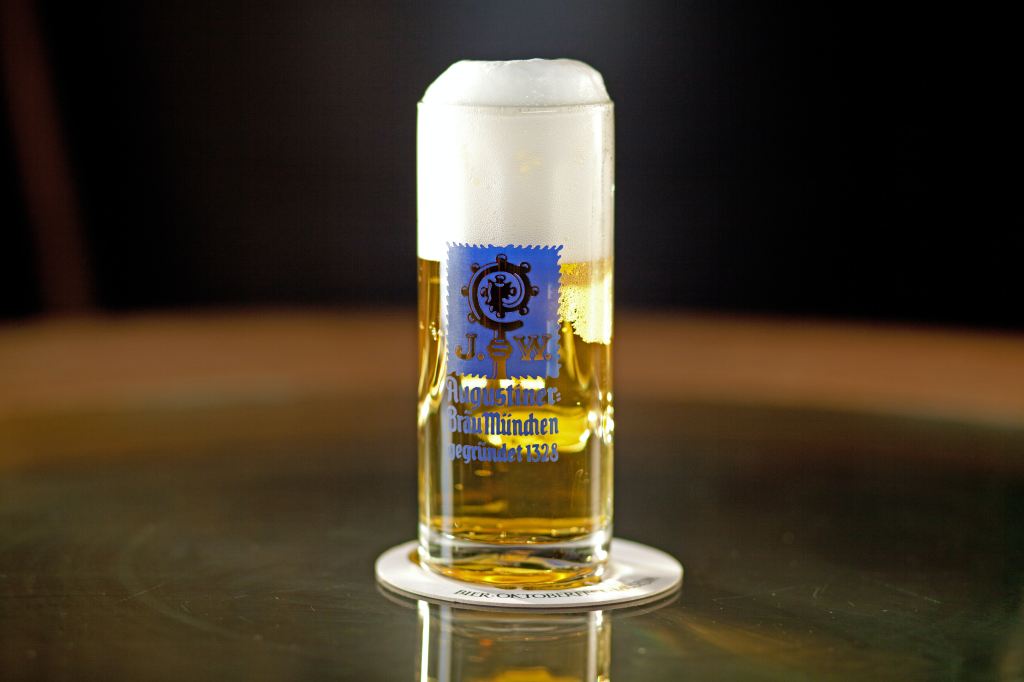
- Augustiner Bräu – Established in 1328, it’s the oldest privately-owned brewery in Munich.
- Hacker-Pschorr Bräu – Founded in the 15th century, it’s known for its traditional brewing methods.
- Löwenbräu – With its iconic lion emblem, it’s a favourite among many Oktoberfest visitors.
- Paulaner Bräu – Originating from the Minim friars of the Neudeck ob der Au monastery, it’s a blend of tradition and modern brewing techniques.
- Spatenbräu – Founded in 1397, it’s one of Munich’s oldest breweries and a staple at Oktoberfest.
- Hofbräu München – Owned by the Bavarian state government, it’s renowned for its rich history and delectable beers.
When is Oktoberfest Celebrated?
Contrary to what its name might suggest, Oktoberfest primarily takes place in September. It usually begins on the third Saturday of September and runs until the first Sunday of October. The festival lasts for 16-18 days, depending on how the dates align with the day of German Unity on 3rd October.
Experiencing Oktoberfest
Attending Oktoberfest is a unique experience that one won’t easily forget. As you step into the festival grounds, you’re greeted by the intoxicating aroma of roasted almonds, grilled sausages, and pretzels. The massive beer tents, each accommodating thousands of people, buzz with energy as friends and strangers alike clink their beer mugs in a toast to good times.
The air is filled with the lively tunes of traditional Bavarian music, with people swaying, singing, and dancing on the benches. Outside the tents, the festival offers a plethora of amusement rides, from classic carousels to adrenaline-pumping roller coasters. And amidst all the revelry, there’s a sense of camaraderie and joy that transcends language and culture.
In Conclusion
Oktoberfest is not just a beer festival; it’s a celebration of life, tradition, and community. Whether you’re a beer aficionado, a culture enthusiast, or someone looking for a good time, Oktoberfest promises an experience filled with merriment, laughter, and unforgettable memories. So, don your best lederhosen or dirndl, raise your beer mug, and say “Prost!” to the grandeur that is Oktoberfest!
 TheCru.ie