
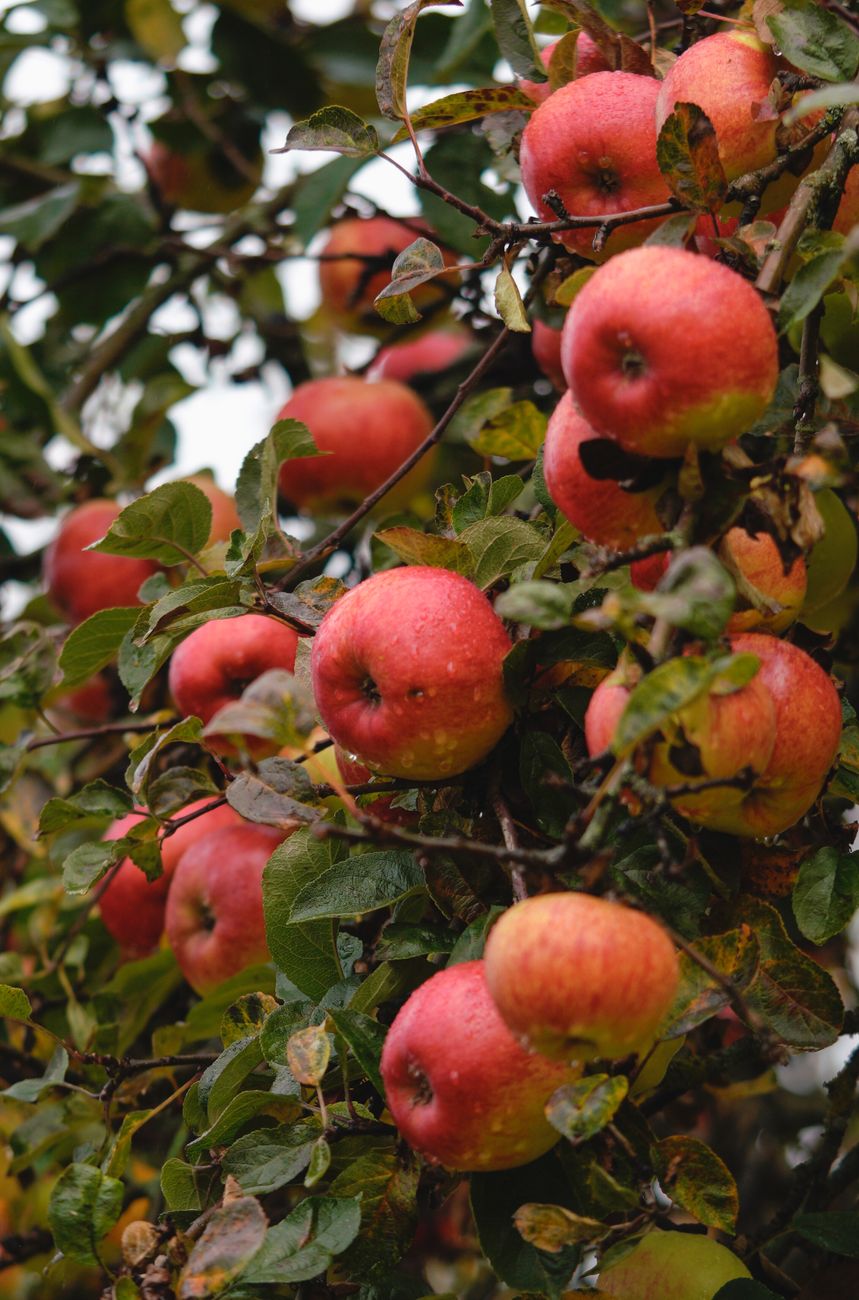
Irish cider has moved far beyond one sweet pint at the pub. There are dry orchard ciders, bright modern fruit ciders, keeved ciders with a gentle natural sweetness and plenty of small producers worth knowing. Here is a simple way to find the style that suits you.
What makes Irish cider different?
Irish cider makers work with a mix of culinary and traditional cider apples. Some aim for crisp, clean refreshment; others lean into orchard character, tannin and a more wine-like finish. The result is a genuinely varied category, not one fixed flavour.
Choose cider by flavour
- Dry and crisp: start here if you like a refreshing drink with a clean finish.
- Juicy or fruit-led: ideal if you enjoy apple with berries, citrus or stone-fruit character.
- Keeved or naturally sweeter: a more rounded, often gently sparkling style that can feel closer to sparkling wine.
- Something more traditional: look for deeper apple flavour, a touch of tannin and a less obviously sweet profile.
A few Irish cider terms worth knowing
Keeved describes a traditional method where fermentation is slowed naturally, leaving a little sweetness and often a soft sparkle. Dry means the cider finishes less sweet, not that it lacks fruit. And craft cider is a useful starting point, but always check the product notes: the style tells you much more.
What food goes with cider?
Cider is brilliant with pork, roast chicken, sharp cheddar, charcuterie and anything with a little spice. A dry cider works particularly well with fish and salty snacks; fruitier styles are lovely with a barbecue or a cheese board.
Explore Irish cider
Whether you want crisp, dry and traditional or bright and fruit-forward, there is plenty to try. Shop craft cider at TheCru.ie and use the product descriptions to find your next bottle or can.

